
 India
 UAE
 KSA
 USA
 UK
 Canada
 Oman
 Kuwait
 Australia
 Thailand


Reliable operator API integration treats a timeout as an uncertain outcome until the provider's state can be checked. The request may have failed before processing, or the charge may have completed while the response was lost. Retrying blindly can turn a communication fault into a billing problem.
The operators named in this article's title do not imply SBS has a live connector, commercial agreement or common API for them. Obtain the current authorized documentation for each proposed connection.
Keep the connector contract explicit
For every telecom API connector, record authentication, credential ownership, request limits, transaction references, documented errors, callback authentication, status-query support and test access. Maintain a separate mapping between the application's payment states and the provider's states. Do not normalize an unfamiliar status into success.
Stripe's idempotency documentation provides one concrete example of keyed retry behavior. It does not establish an operator's behavior. Confirm whether the operator supports an equivalent key, how long it remains valid, and what happens when the request body changes.
Define carrier billing retries by outcome
Recommend a recovery table covering a rejected request, connection failure, timeout after submission, malformed response and unavailable status query. Decide which conditions permit automatic retries, which require a status check and which need manual review. Keep the original merchant reference attached throughout recovery.
A callback should be authenticated before its contents can change a payment or entitlement. Stripe's webhook guidance documents duplicate and out-of-order delivery considerations for its own platform. Test those conditions against each operator's actual contract rather than assuming ordered delivery.
Rehearse the difficult sequences
Include a delayed success after an application timeout, a repeated callback, a cancellation followed by an older event, and a confirmed payment whose content provisioning failed. Restart the application between receipt and processing to check whether recovery survives a process interruption.
The CAMARA billing repository includes payment and refund follow-up concepts. Where a provider supports them, use status queries to investigate discrepancies instead of treating callback receipt alone as complete billing reconciliation.
Make unresolved work visible
Monitor pending transaction age, callback authentication failures, retry counts and differences between internal records and provider statements. Set an investigation owner and escalation threshold appropriate to the contract. A connector is ready when the team can explain and recover uncertain outcomes, not merely when its first successful charge reaches the application.
Use a separate readiness record for every operator
STC, Mobily, Airtel and Vodacom should be treated as proposed operator contexts requiring their own authorized documentation. A shared connector framework can organize common responsibilities, but it cannot establish equivalent API availability, response codes or commercial permission. Record the operator, market, contracted provider and documented environment together so a test result cannot be mistaken for approval on a different connection.
The following recovery table is a proposed design aid. Confirm each action against the provider contract before using it for carrier billing retries.
| Observed condition | What remains uncertain | Proposed next action to confirm | Evidence needed before financial change |
|---|---|---|---|
| Request rejected with documented final error | Whether the subscriber may safely try again | Show the approved failure and recovery route | Provider error mapped to a final state |
| Timeout after submission | Whether processing completed | Query the original reference where supported | Authoritative status or an assigned unresolved case |
| Repeated authenticated callback | Whether the business event was already applied | Locate the original processed event | A single financial and entitlement transition |
| Payment confirmed, provisioning failed | Whether paid access can be restored | Recover delivery against the same payment | Entitlement repair or approved adjustment decision |
Do not let normalization conceal meaning
Telecom API connectors often translate provider-specific messages into common application states. Keep the original provider status and mapping version available in restricted records. If the provider introduces a new value, route it to review rather than mapping every unfamiliar response into a generic success or failure. The customer message can remain simple while the operating record preserves enough detail to investigate.
Define which system owns the current payment state. Callbacks, query responses and settlement statements can arrive on different schedules. Agree how contradictory evidence is resolved and who can authorize a correction. Operator timeout handling should preserve uncertainty until the appropriate source resolves it, instead of making an arbitrary decision merely to empty a queue.
Rehearse a hypothetical connector interruption
Consider a hypothetical subscriber whose charge is accepted while the application restarts before saving the response. The connector should recover using the original merchant reference and the documented status mechanism. It should not create a new charge reference simply because its own process has no successful response recorded. If the provider cannot resolve the reference automatically, the case should remain visibly unresolved for the named owner.
Now suppose a delayed callback arrives after support has restored service access through the approved recovery path. Reprocessing should recognize the existing payment and entitlement decision. A repeated delivery should not grant duplicate benefits, schedule another renewal or send a misleading second purchase confirmation. These business effects are worth testing in addition to whether the callback endpoint returns the expected response.
The same rehearsal should include authentication failure, expired credentials and a provider error during a status check. A failed status query does not convert an unknown charge into a declined charge. Support needs a clear explanation of what is known, what is pending and which next action is permitted.
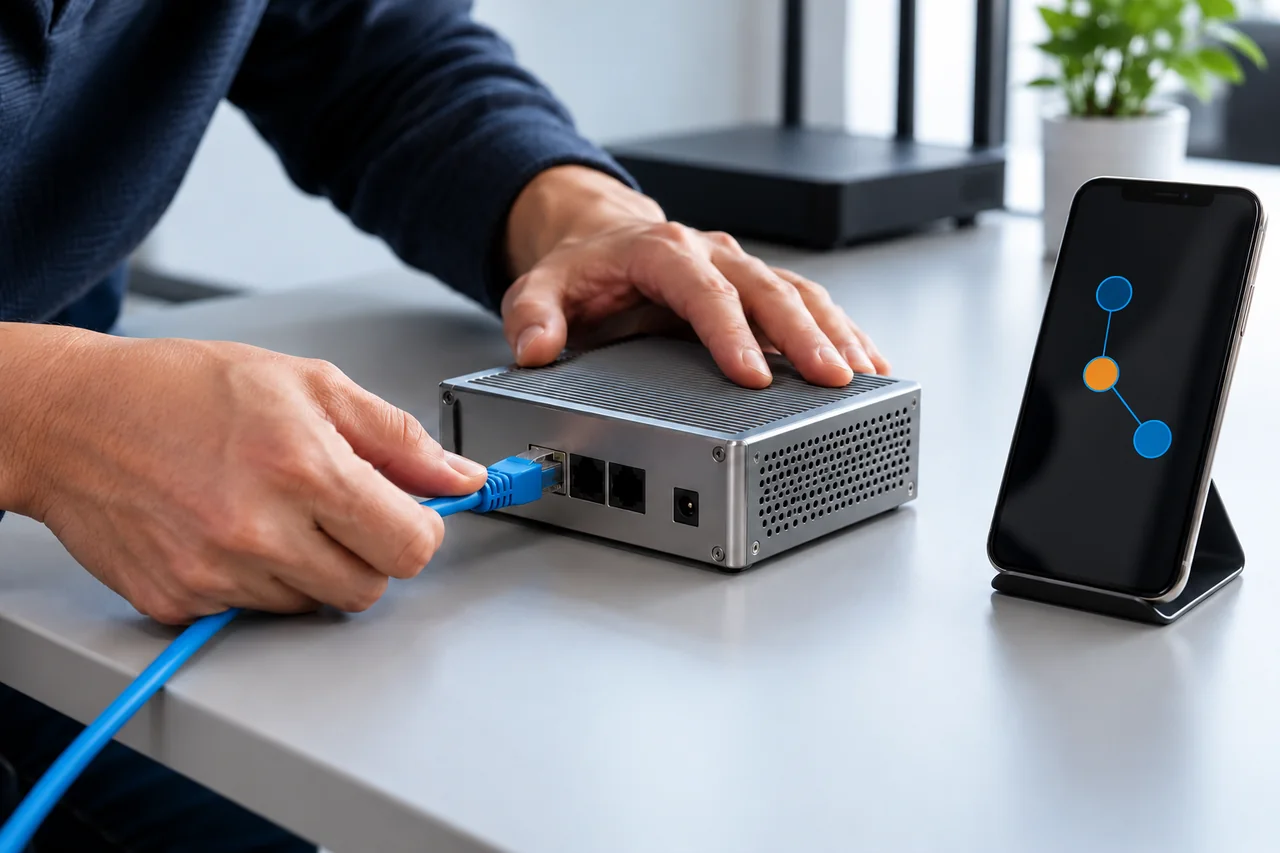
Illustrative connection test. Production billing behaviour and operator interfaces must be confirmed against the contracted integration documentation.
Make reliability observable and recoverable
Define alerts around customer-affecting conditions such as ageing unresolved payments, repeated authentication failures and divergence between confirmed payments and entitlements. Review expected maintenance and planned traffic changes before interpreting every increase as an incident. The alert should identify the operator context and responsible team without exposing subscriber details in a broad notification channel.
Billing reconciliation should compare internal references with provider outcomes and the relevant settlement record. A payment marked confirmed in the application may still need financial follow-up, while a settled adjustment may require the internal ledger to be corrected. Assign these differences rather than hiding them in a net total.
Acceptance requires documented state mapping, authenticated event handling, duplicate safety, interruption recovery and an understood escalation route. Retain a recoverable connector configuration and a plan for transactions already in flight when a version changes. Resilient operator API integration means the team can explain and resolve difficult states within its actual provider arrangement; it does not imply a live SBS relationship with any operator named in the title or guarantee uninterrupted billing.
header enrichment latency helps localize delays before connector changes are proposed. The tenant and authorization boundaries in SaaS API gateway design matter when several clients or services share an integration layer.
Arrange an operator connector review with SBS with the authorized API contract, state mapping and anonymized timeout or callback examples.


